
You’re looking into how an off-grid solar inverter works. It turns DC power from panels or batteries into AC for your home, cabin, RV, or tiny house. This inverter is key to off-grid power systems, managing energy conversion and working with charge controllers and battery banks.
This article helps you pick the right solar inverter and battery inverter. It compares different types and hybrid options. You’ll learn about sizing, battery selection, installation, operation, and maintenance for reliable off-grid performance in the United States.
Key Takeaways
- An off-grid inverter converts DC to AC and is essential for standalone solar systems.
- Choose a pure sine wave inverter for sensitive electronics and motors.
- Match inverter continuous and surge ratings to your peak load needs.
- Pairing the inverter with a properly sized battery bank and charge controller is critical.
- Plan for ventilation, grounding, and accessible monitoring for long-term reliability.
What Is an Off-Grid Inverter and How It Works
Before you pick your gear, you need to know what an off-grid inverter is. It turns DC power from solar panels, wind turbines, or batteries into AC power for your home. This definition shows its role in running without a utility connection and managing battery charging.
Definition and role in standalone systems
An off-grid inverter is the system’s brain. It takes DC input, changes it to AC, and gives your appliances stable power. Brands like Schneider Electric and Victron Energy add features for battery health.
Make sure the inverter’s capacity matches your needs. The inverter decides how to use energy, choosing solar first, then battery, and using a generator when needed.
Energy flow: panels, charge controller, battery bank, inverter, loads
To understand off-grid systems, follow the energy flow. Solar panels make DC during the day.
A charge controller—MPPT or PWM—keeps the DC safe, stopping overcharge. Extra power goes to the battery bank for later use.
When sunlight fades, the inverter uses battery power for your appliances. Some setups let you use PV power directly.
For reliable power, match the PV array, charge controller, battery, and inverter sizes. This reduces the chance of power loss.
Common applications: remote homes, cabins, RVs, boats, microgrids
Off-grid inverters are used in many places without steady utility power. They power remote homes and cabins for full-time living. RVs, tiny homes, and boats use them for mobile power.
Microgrids and community projects in developing areas use them for reliable power. Telecom sites also use them for backup and remote communication.
For more on features and installation, check out solar inverter resources.
Solar Inverter: Types and Waveform Differences
Understanding inverter waveform differences is key to choosing the right inverter for your off-grid setup. The shape of the waveform affects how well devices work, motor start-up, and audio/video quality. Below, you’ll find comparisons and practical tips for common loads.
Pure sine wave vs modified sine wave vs square wave
A pure sine wave inverter makes clean AC that’s just like utility power. It’s great for running sensitive electronics, refrigerators, and variable-speed motors without problems.
A modified sine wave inverter gives a stepped waveform. It works for many lights, resistive heaters, and basic tools. But, it might cause reduced efficiency, humming, or unexpected behavior in some electronics and motors.
A square wave inverter makes a crude on/off waveform. It’s the cheapest option and works for very basic resistive loads or simple motors. But, it’s not recommended for most residential off-grid systems.
When to choose each type based on load sensitivity and motors
For running refrigerators, pumps, HVAC compressors, computers, or medical devices, go for a pure sine wave inverter. These loads need smooth power and a reliable waveform.
For lighting, simple power tools, and budget installs with no sensitive gear, a modified sine wave might be okay. You might see occasional noise, lower motor efficiency, and possible incompatibility with variable-speed devices.
Choose a square wave only when cost is the biggest concern and loads are very basic. Most homeowners find square wave limitations too severe for practical use.
Hybrid inverters vs dedicated off-grid inverters — pros and cons
A hybrid inverter combines battery management and grid interaction. It lets you use grid backup or export excess energy when available. Hybrids offer flexibility and easier expansion for future grid ties.
Dedicated off-grid inverters are made for standalone systems and battery charging. They’re simpler to set up in remote locations and focus on autonomy and robust battery integration.
| Feature | Pure Sine Wave Inverter | Modified Sine Wave | Square Wave Inverter | Hybrid Inverter |
|---|---|---|---|---|
| Waveform quality | High, clean AC suitable for sensitive gear | Stepped waveform, acceptable for many non-sensitive loads | Very crude on/off waveform | High, often includes smart waveform control |
| Best use cases | Computers, refrigerators, audio/video, variable-speed motors | Lighting, heaters, basic tools, budget systems | Simple resistive loads in extreme budget scenarios | Systems that may use grid backup or feed-in capability |
| Impact on motors | Smooth start and efficient operation | Possible noise and reduced efficiency; variable-speed motors may misbehave | Higher stress, shortened motor life likely | Good motor support with advanced control features |
| Cost | Higher | Moderate | Lowest | Higher due to added functionality |
| Grid interaction | Depends on model; some support grid tie | Rarely supports grid interaction | Does not support grid interaction | Designed for grid interaction and backup |
| Recommended for off-grid homes | Yes, preferred | Only for limited, non-sensitive loads | No, except extreme cases | Yes, if grid fallback or expansion is planned |
Key Features to Look for in an Off-Grid Solar Inverter
Choose an inverter that keeps your system safe, charges batteries right, and shows you data clearly. Look for features that fit your battery type, how much you use, and your location. Making smart choices now can save money and make your system last longer.
Battery charging control and integrated battery management
Make sure it has built-in MPPT charge control or works with external MPPT controllers for efficient charging. It should support common battery types like flooded lead-acid, AGM, GEL, and LiFePO4. Having adjustable charging stages helps extend battery life and performance.
Look for temperature control and adjustable charge voltages to protect batteries in harsh weather. Integrated battery management systems make charging safer for lithium batteries and reduce manual adjustments.
Overload, short-circuit protection, and low-battery shutdown
The inverter should protect against overload and short circuits to keep your system safe. Adjustable low-battery shutdown helps prevent deep discharge of your batteries.
Fast electronic fusing and clear fault reports help fix issues quickly. These features reduce the chance of expensive repairs or damage to your inverter and batteries.
Automatic voltage regulation and surge handling
Automatic voltage regulation (AVR) keeps the AC output steady, even when loads change. Check the continuous and surge ratings to ensure it can handle motor starts and compressor kicks without tripping.
Choose an inverter with a surge rating that’s much higher than its continuous rating for reliable appliance starts. Good AVR also helps your sensitive electronics and motors last longer.
Remote monitoring, firmware updates, and smart energy management
Remote monitoring lets you check performance from an app or cloud portal. Look for options like Wi-Fi, Bluetooth, and RS485. Real-time data helps you troubleshoot and fine-tune your system faster.
Firmware updates add new features and fix bugs over time. Smart energy tools like load prioritization and time-of-use scheduling help you use energy wisely and save on fuel.
| Feature | Why it matters | What to verify |
|---|---|---|
| Battery charging control | Preserves battery life and ensures safe charging | MPPT support, chemistry presets, bulk/absorption/float stages |
| Integrated BMS | Automates protection for lithium and advanced batteries | Cell balancing, temperature compensation, CAN/RS485 interface |
| Inverter protections | Prevents damage from faults and deep discharge | Overload trip, short-circuit protection, low-voltage cutout |
| AVR and surge handling | Maintains stable power and allows motor starts | Continuous vs surge rating, waveform quality, transient response |
| Remote monitoring solar inverter | Enables off-site diagnostics and performance tracking | Mobile app, cloud portal, data logging, alerts |
| Firmware and smart controls | Keeps system current and efficient over time | OTA updates, load scheduling, generator auto-start/pass-through |
| Outdoor readiness and efficiency | Expands installation locations and lowers losses | IP rating, low standby consumption, thermal management |
Advantages of Off-Grid Solar Inverter Systems
Off-grid inverter systems offer true freedom from the grid. They are perfect for remote or areas prone to power outages. With the right inverters and batteries, you can keep vital systems running when the power is out.
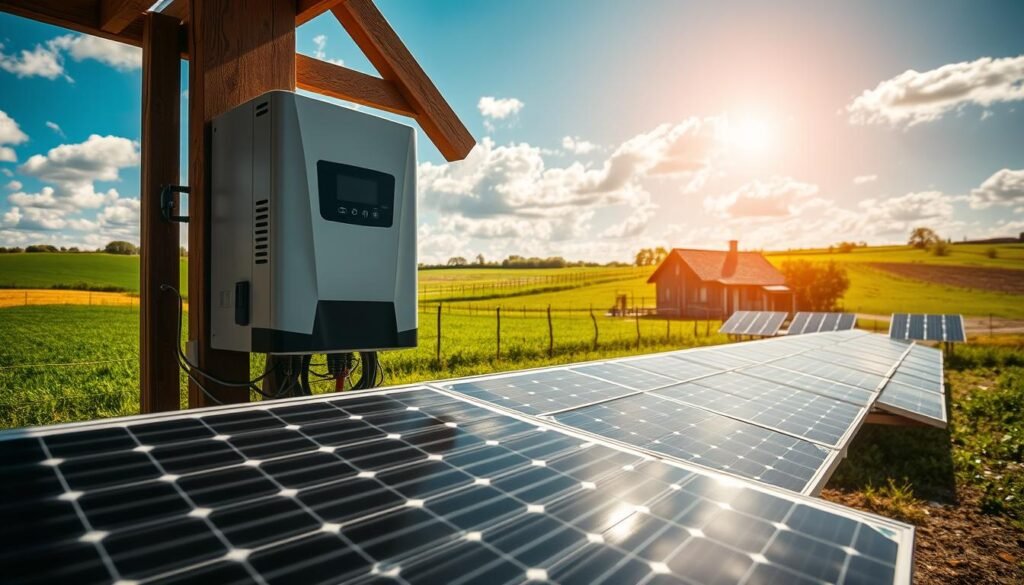
These systems also help control costs over time. While they cost more upfront, they save money on bills. This makes them a smart choice for long-term savings.
Off-grid systems are better for the environment. They use solar energy instead of fossil fuels, reducing carbon emissions. This helps improve air quality and supports climate goals.
Another benefit is their ability to grow with your needs. You can add panels, batteries, or new products as needed. This makes them flexible and cost-effective.
| Advantage | What it means for you | Typical impact |
|---|---|---|
| Energy independence solar | Freedom from grid schedules and price spikes | High resilience in remote areas and during storms |
| Lower long-term energy costs | Eliminates monthly utility bills when properly sized | Improved solar ROI in regions with high electricity rates |
| Reduced carbon footprint | Less reliance on fossil-fuel backup generators | Measurable emission reductions over system life |
| Customizable, modular design | Expand arrays and batteries as needs grow | Phased investment lowers initial capital outlay |
- Plan system size to match typical loads and desired autonomy days.
- Choose reputable brands and warranties to protect solar ROI.
- Balance battery chemistry, inverter rating, and expansion options for long-term reliability.
Limitations and Challenges of Off-Grid Inverter Systems
Going off-grid has its perks, but it also comes with its own set of challenges. This section will highlight some of these limitations. Knowing these can help you make a more informed decision before investing in a standalone system.
One of the first things you’ll notice is the cost. A full system can cost between $10,000 and $30,000 or more. This includes the panels, inverter, battery bank, and more. It’s important to choose quality parts and hire licensed professionals to avoid extra expenses.
Maintenance is another ongoing task. Inverters and batteries typically last 10–15 years. Regular checks and updates are needed to keep everything running smoothly. Keeping an eye on battery health can help you plan for replacements.
Weather and system size can also be unpredictable. Solar panels work best in clear skies and direct sunlight. If your system is too small, you might face unexpected power outages. Designers often add extra capacity to avoid these issues.
Local rules can also impact your setup. Many places require permits and follow specific codes. It’s important to check with your local authorities early to avoid delays.
To manage these challenges, consider a few practical steps. Look into modular battery systems to spread out costs. Choose brands with strong warranties and size your system with a safety margin. Working with a licensed installer and local authorities can also help avoid unexpected costs.
How to Size Your Off-Grid System for Reliable Performance
First, list every appliance you’ll use. Note each device’s watts and how many hours a day it runs. Then, multiply watts by hours to find watt-hours (Wh). Add 20–30% for seasonal changes and extra use.
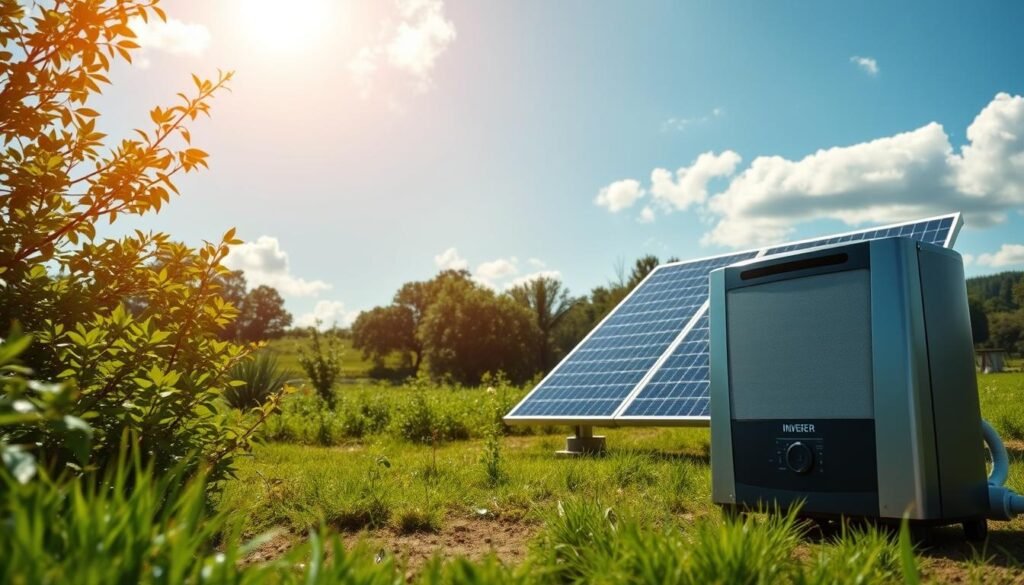
To figure out solar panels needed, add up your daily Wh. Then, divide by your area’s average peak sun hours. Increase this to account for system losses like inverter efficiency and shading. This ensures your system works well on cloudy days and with inefficiencies.
For battery sizing, decide on days of autonomy—two to three days is good. Convert daily Wh to amp-hours by dividing by your system voltage. Adjust for how much you can use from the battery. For example, a 6,000 Wh/day load on a 24V bank with 80% DoD needs about 313 Ah.
When sizing off-grid system parts, choose an inverter with a continuous rating above your peak load. Make sure it can handle motor and compressor starts. Match inverter input voltage to your battery bank and aim for 90% efficiency to reduce losses.
Use the checklist below to keep calculations simple and consistent.
| Step | Action | Example |
|---|---|---|
| 1 | List loads and compute daily Wh | Refrigerator 150W × 8 h = 1,200 Wh |
| 2 | Calculate required array using peak sun hours | 6,000 Wh ÷ 5 sun hrs = 1,200 W array before losses |
| 3 | Account for system losses (inverter, wiring) | Add 20% → 1,200 W × 1.2 = 1,440 W |
| 4 | Convert daily Wh to battery Ah | 6,000 Wh ÷ 24V = 250 Ah; ÷ 0.8 DoD = 313 Ah |
| 5 | Choose inverter continuous and surge ratings | Continuous 2,000 W; surge 4,000 W for motor starts |
Do a final check by simulating worst-case days. Adjust sizes and capacities until performance meets your needs. This ensures your system works well in real life.
Keep records of all assumptions. You’ll need them for future upgrades and maintenance.
Selecting the Right Battery and System Voltage for Your Inverter
Choosing the right battery and system voltage is key to efficiency and cost. Consider your daily energy needs, space, and maintenance ease. Also, think about the battery’s chemistry and how it will handle temperature changes and future growth.
Common system voltages and trade-offs
12V systems are great for small setups like vans or tiny cabins. They’re simple but need bigger cables and lose more power.
24V systems are good for mid-sized setups. They’re more efficient than 12V and use smaller cables. This balance makes them a good choice for many homes.
48V systems are best for big homes. They use less power, saving on cable costs and improving efficiency. They’re also easier to grow with.
Battery chemistries: features and upkeep
Flooded lead-acid batteries are cheap upfront but need regular care. They have a shorter life than newer types.
AGM and GEL batteries need less care and work well for occasional use. They last longer than flooded lead-acid and are more forgiving.
LiFePO4 batteries cost more but last much longer. They perform well even when not fully charged and have a higher DoD. They’re lighter and take up less space, making them a top choice for off-grid systems.
Depth of discharge, temperature, and lifecycle planning
Depth of discharge affects battery life. Lead-acid batteries lose life quickly at deep discharge. LiFePO4 batteries can handle deeper discharge without losing as much life.
Temperature changes battery capacity and aging. Heat speeds up degradation, while cold reduces capacity. Use temperature controls and keep batteries in cool places to extend life.
Maintenance varies by battery type. Lead-acid batteries need regular checks and topping up. LiFePO4 batteries require a good BMS and protection against voltage extremes.
Practical guidance for sizing and selection
First, size your system for your daily energy needs and desired autonomy. Consider the DoD limits of your batteries. For example, LiFePO4 can be sized for 80-90% DoD, while lead-acid should be sized for 30-50% to protect it.
Choose a system voltage that saves on conductor costs and boosts inverter efficiency. For high energy use or future growth, go with 48V systems and LiFePO4 batteries for the best value.
Make sure your inverter matches your battery chemistry and supports adjustable charge profiles. Add temperature sensors and a BMS interface as needed. This ensures your system runs safely and lasts long.
Installation Planning and Best Practices for Off-Grid Inverters
Begin your off-grid inverter setup with a solid plan. A thorough site assessment solar will show the best spot for panels, any shading issues, and how much sun you’ll get. This step helps avoid problems later with permits and placing equipment.
- Confirm roof or ground-mount suitability and shading patterns.
- Measure azimuth and tilt to estimate energy yield accurately.
- Gather required solar permits US details from the local authority having jurisdiction.
Plan your electrical setup for top performance and safety. Choose a dry spot with good airflow and easy access for the inverter. Follow the manufacturer’s advice for ventilation and grounding.
Match cable size to your system’s voltage to avoid voltage drop. Lower-voltage systems need thicker cables. Add DC and AC disconnects near the inverter and label all cables for inspections.
Connect charge controllers and PV array wiring correctly. Match voltage and current limits. Set up MPPT inputs by wiring modules in series or parallel as needed. Make sure the inverter’s charger settings match any external generator charger.
For generator backup, add an automatic or manual transfer switch. An AC transfer switch or inverter AC pass-through lets the generator charge batteries safely without risking backfeed into the grid.
Always follow safety rules. Install overcurrent protection on PV strings and battery banks. Fuse battery positive leads and include ground-fault protection where needed. Keep a simple documentation packet for inspectors and future service.
When you submit solar permits US, include single-line diagrams, equipment specs, and mounting details. This makes the review process faster and reduces site delays.
Operation, Monitoring, and Maintenance Tips
To keep your off-grid system running smoothly, follow a simple routine. Regular checks each month can prevent small problems from turning into big ones. Use built-in displays and apps to quickly check the status of your system.
Routine inspections and preventive care
Check battery and PV connections for tightness and corrosion. Make sure enclosures are sealed and clear of debris. Also, inspect cables, fuses, and breakers for damage or loose connections.
Have a qualified technician clean and check your system regularly. This helps maintain performance and reduces the risk of unexpected failures.
Using monitoring tools effectively
Use inverter displays, apps, or telemetry to track important data. This includes runtime, battery state, and energy flow. Remote monitoring alerts you to any issues early on.
Set up regular reports to track trends in your system’s performance. For a complete solution, visit Aisen Solar Energy to see their monitoring features and support.
Firmware updates and smart load management
Keep your solar devices’ firmware up to date for better performance and bug fixes. Always follow the manufacturer’s instructions when updating.
Use load-shedding or priority settings to protect your battery. Limiting nonessential loads helps prevent deep discharge and saves on replacement costs.
Extending component life and thermal care
Avoid deep discharges for lead-acid batteries and follow charging profiles for lithium ones. Keep the inverter and batteries at stable temperatures to extend their life.
Turn off unused circuits and use sleep modes in your inverter to reduce standby losses.
Common faults and practical troubleshooting
Learn about common error codes like over-temperature and low battery. Many issues can be fixed by reducing load, improving ventilation, or restoring battery voltage.
If you need help, refer to the inverter manual and contact support. Document error histories and share logs with technicians to speed up repairs and prevent repeat issues.
- Monthly: torque checks, visual corrosion inspection, ventilation clearances.
- Weekly: review inverter monitoring logs and alerts.
- After storms: full system sweep for damage and loose wiring.
Cost, Incentives, and Economic Considerations in the United States
Before starting an off-grid project, you need to know the costs. Off-grid systems usually cost between $10,000 and $30,000. This depends on the batteries, inverter quality, panel size, and how hard it is to install.

Costs for parts like PV modules, inverter/charger, and charge controllers are predictable. But, the battery bank is the biggest variable. LiFePO4 batteries are more expensive upfront but save money in the long run compared to lead-acid batteries.
Typical cost breakdown and drivers
Here’s a simple breakdown to help you plan your system and compare prices.
| Component | Typical % of Total | Notes |
|---|---|---|
| PV modules | 25% | Price varies with efficiency and brand; location affects required capacity |
| Inverter/charger | 15% | Quality and hybrid features influence off-grid payback |
| Battery bank | 30% | LiFePO4 raises upfront cost but lowers replacement frequency |
| Mounting, wiring, balance of system | 12% | Includes charge controllers, combiner boxes, conduit |
| Permits and labor | 10% | Site complexity and local labor rates drive variance |
| Contingency and commissioning | 8% | Testing, configuration, and initial maintenance |
Incentives and eligibility
Federal and state programs can help lower your costs. The federal solar tax credit can cover a big part of the cost if you qualify. Check the IRS to see if your system is eligible.
State rebates and local programs vary. Check with your state energy office and utility to find out what’s available. Some programs need you to be connected to the grid, so make sure your system qualifies.
For more cost data, visit the Department of Energy: DOE PV system cost benchmarks.
Calculating payback and long-term savings
To figure out payback, compare your initial cost to what you save on bills over time. Consider the lifespan of components, battery replacements, maintenance, and any incentives.
Consider different scenarios for battery life and energy use. Choosing high-quality LiFePO4 batteries and a strong inverter can pay off faster. This is because you’ll need fewer replacements and save on losses.
Decision factors beyond dollars
Money is important, but other benefits count too. Having power during outages, energy freedom, and placing power where needed are valuable. These benefits might not show up in simple cost calculations.
Use the cost ranges, incentives, and payback framework to make a realistic budget. This approach keeps your financial planning accurate and helps you choose the right components for your needs and budget.
Real-World Use Cases and Product Examples
Off-grid systems are used in many places, like remote homes, mobile living spaces, and community energy projects. Each example focuses on reliable power, the right size, and matching components to your needs and environment.
Remote homes and cabins often use 48V battery banks with pure sine inverters that charge batteries. First, add up your daily watt-hours. Then, divide by peak sun hours to size the PV array. Next, calculate battery amp-hours using system voltage and how much you can discharge.
For a strong cabin solar system, plan for two to three days of power. Also, include extra capacity for motors and pumps.
In tiny homes and RVs, small 12V or 24V pure sine RV inverter units are preferred. They save space and are light. Portable combos and microinverters, like the EcoFlow PowerStream Microinverter 800W, work well for small loads. They pair well with portable power stations.
Microgrid planning focuses on scalable inverters and strong battery storage. Look at hybrid inverters for partial grid connection or future grid-tie. It’s important to manage loads, dispatch smartly, and expand modules when needed.
Choose products that make setup easy and are durable. Look for plug-and-play microinverters, clear IP ratings, app-based monitoring, and AC pass-through for generator backup. Make sure they work with LiFePO4 batteries and have U.S. support and warranties.
If you need something ready to go, check out portable solar generators and weather-resistant cases. These protect batteries and electronics, making transport and setup easier. For more details and tough solar generator options, see this supplier reference solar generator and compare specs to meet your site’s needs.
Use these examples as a guide: size panels based on daily Wh needs, pair inverters and batteries by voltage and surge rating. Choose IP-rated, easy-to-use products that fit your needs and budget.
Conclusion
The inverter is key in an off-grid solar system. It turns stored DC into AC that we can use. For homes and remote areas, choose an inverter that gives a pure sine wave and manages batteries well.
Plan your system by figuring out daily watt-hours and peak sun hours. Use 48V systems for bigger setups to save energy. LiFePO4 batteries last longer and need less care than lead-acid ones.
Start by listing all your devices and check local rules. Look at inverter features to see if they fit your needs. Hybrid inverters are good if you might connect to the grid later. With the right setup, you’ll save money, reduce carbon emissions, and have steady power for your place.