
So, you want to know about lithium batteries and why they’re important. A lithium-ion battery is a rechargeable cell that uses lithium ions to move charge. It has a graphite anode and a lithium metal-oxide cathode. An electrolyte and a porous separator let ions flow while preventing short circuits.
Lithium batteries are lighter than other types because lithium is the lightest metal. This makes them more energy-dense and lighter. They improve battery performance in phones, laptops, electric vehicles, and home energy systems. This also lets manufacturers make smaller, lighter products that last longer.
Cells come in cylindrical, prismatic, or pouch formats and are combined into packs. The design of these packs determines the battery’s voltage and capacity. Understanding the basic chemistry and components helps when shopping or planning a project.
Key Takeaways
- A lithium battery stores energy by moving lithium ions between anode and cathode.
- Lithium-ion batteries offer higher energy density and lower weight than older chemistries.
- Core parts include cathode, anode, electrolyte, and separator; each affects performance.
- Cells are made in cylindrical, prismatic, or pouch formats for different applications.
- Pack configuration determines voltage and capacity for your specific battery applications.
What Is a Lithium Battery
When you’re looking for power solutions, you need a clear definition. A lithium battery is a rechargeable battery that uses lithium ions to move charge between electrodes. It has four main parts: cathode, anode, electrolyte, and separator. These parts work together to store energy for devices like phones, EVs, and backup systems.
A clear, concise definition you can use when shopping or researching
When comparing packs, remember that lithium batteries store energy by moving lithium ions. This makes them lighter and more energy-dense than older batteries. You’ll get better run time per pound with lithium, which is great for laptops, power tools, and electric vehicles.
How lithium ions store and release energy in rechargeable cells
Charging pushes Li+ ions from the cathode into the anode. Graphite anodes trap ions in layered structures for stable storage. When you use power, ions flow back to the cathode while electrons travel through the device circuit to create current.
This ion shuttle is why understanding lithium-ion basics is key. The process repeats for many cycles. This is why you can recharge devices hundreds to thousands of times, depending on chemistry and usage.
Why lithium chemistry outperforms older technologies like lead-acid and NiCd
Look at practical performance: lithium vs lead-acid shows big gains in energy density and weight. Lithium cells give you more usable capacity in a smaller package. They also charge faster and hold charge longer with lower self-discharge than NiCd or nickel-metal hydride.
You’ll benefit from no memory effect and typically longer cycle life. For most uses, a rechargeable lithium battery reduces total system mass and often lowers lifecycle cost, despite a higher upfront price.
History and evolution of lithium battery technology
Lithium batteries have come a long way from being just a lab curiosity. In the 1970s, scientists found out rechargeable lithium chemistry was possible. This breakthrough led to improvements in the 1980s and early 1990s.
Important milestones have shaped lithium battery history. In 1991, Sony introduced the first lithium-ion cells for everyday devices. This move made devices lighter and lasted longer.
After Sony, the focus turned to safer and cheaper batteries. The move from cobalt-rich LCO to NMC and LiFePO4 changed costs and safety. Companies like Panasonic, LG Chem, and CATL worked on electric vehicles and grid storage, improving battery life and safety.
New advancements have changed how we view batteries. LiFePO4 became popular for its safety, long life, and stable voltage. It’s now used in many home storage systems and electric vehicles.
Research on future batteries is exciting. Solid-state batteries aim to reduce fire risk and increase energy density. Companies and labs are working to make these batteries practical, but cost and scale are challenges. At the same time, lithium-sulfur and improved NMC/NCA formulas aim to increase range and lower costs for electric vehicles.
When choosing batteries, understanding their history is key. The journey of lithium batteries shows the importance of chemistry. Sony’s lithium-ion, LiFePO4, and the quest for solid-state batteries influence today’s options.
Anatomy of a lithium battery
Understanding a lithium battery’s core parts is key. It has a positive electrode, a negative electrode, an electrolyte, and a separator. These elements affect energy, safety, and how long the battery lasts.
Cathode materials are at the battery’s heart. LCO (lithium cobalt oxide) is great for phones and laptops but ages quickly. NMC (nickel manganese cobalt) is a good balance for cars, thanks to Tesla and Hyundai.
LFP (LiFePO4) is used in home storage and some EVs from BYD. It lasts a long time and handles heat well. LMO (lithium manganese oxide) is good for power tools and hybrids because of its high power and heat tolerance.
Anodes are another important part. Graphite is the most common because it stores lithium ions well and is affordable. LTO (lithium titanate) charges fast, lasts long, and is safer but has less energy.
Researchers are exploring silicon composites to increase capacity. But silicon faces challenges like swelling and durability.
The electrolyte and separator are also critical. The electrolyte helps lithium ions move between electrodes. The separator keeps electrodes apart while letting ions through, preventing short circuits. Solid-state cells use a solid electrolyte, improving safety and energy but making them more expensive and complex to make.
When managing batteries, consider these trade-offs. The right choice of cathode, anode, and electrolyte separator affects the battery’s performance. It impacts energy, power, charge speed, and safety for your needs.
How lithium batteries work
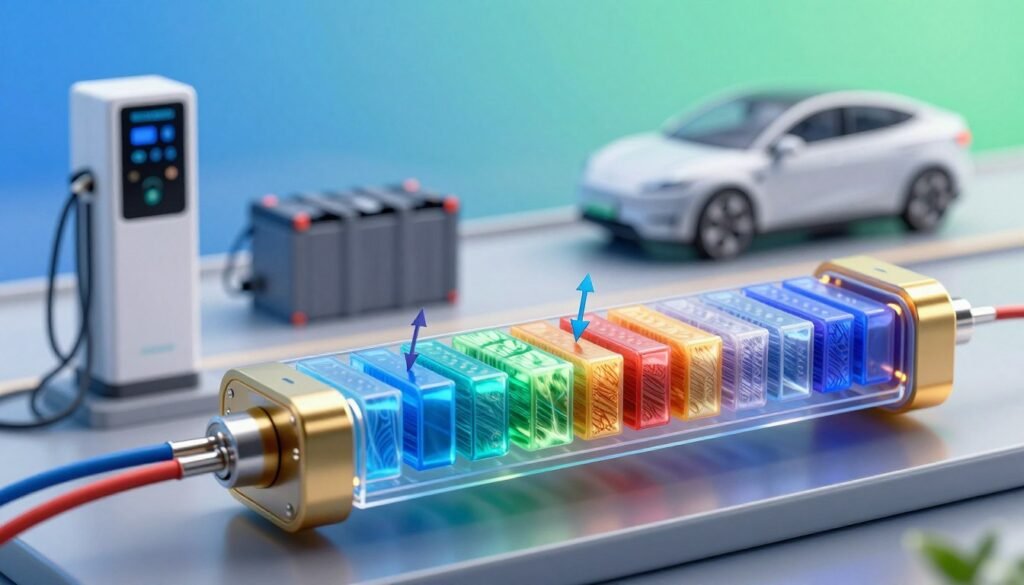
Lithium batteries give you steady power by turning stored energy into electricity. Knowing how they charge and discharge helps you choose the right one. It’s all about ions moving between electrodes and electrons powering your devices.
Electrochemical processes during charging and discharging
When you use a lithium battery, lithium ions move from the anode to the cathode. This process sends electrons through your device’s circuit, giving it power.
Charging reverses this process. An external charger pushes electrons back into the anode. This drives lithium ions in the opposite direction. This is why lithium batteries can be recharged.
Electron flow vs. ion flow: the circuit explained in plain terms
Ions and electrons play different roles. Ions move inside the battery, while electrons flow through wires to your device. You only see the electrons as they power your devices.
Think of ions as the battery’s internal storage. Electrons are what you see as current powering your devices. This is why you see devices working when connected to a battery.
Common failure modes: capacity fade, internal resistance increase
Capacity fade occurs when the battery ages. It happens from repeated use and side reactions. This makes the battery hold less charge over time.
Internal resistance also increases with age. This is due to electrode wear and surface films. Higher resistance means less power and more heat.
Smart BMS features help slow down these issues. For more on LiFePO4, check out product pages.
Types of lithium batteries and their best uses
Understanding lithium battery types is key to choosing the right one for your needs. Each type has its own strengths and weaknesses. Here’s a guide to help you make an informed decision.
LiFePO4: safety, cycle life, and home energy storage
LiFePO4 cells are safe and last a long time. They can handle thousands of cycles and perform well in high temperatures. This makes them perfect for home energy storage and backup power.
They might be bigger than other types because they hold less energy. But if you value safety and longevity, LiFePO4 is a great choice.
NMC and NCA: high energy density for EVs and power tools
NMC balances energy, power, and life cycles well. It’s used in e-bikes, electric vehicles, and power tools. NCA has even more energy and is used in EVs where range is key.
For mobility, NMC offers smaller, lighter batteries and longer range. You get a trade-off between safety, cycle life, and energy density.
LCO, LMO, lithium-sulfur, and lithium titanate: trade-offs and niche applications
LCO is used in smartphones and laptops because of its high energy density. It’s compact and light but not as durable as newer chemistries. It’s chosen for devices where size is more important than longevity.
LMO is good for high current needs and has good thermal stability. It’s used in medical devices, e-bikes, and power tools. LMO is often mixed with NMC for better safety and faster charging.
Lithium-sulfur has high energy density and is light, ideal for aerospace and specialized storage. But it has a big drawback: it loses capacity quickly. If you need low weight, keep an eye on Li-S advancements.
Lithium titanate (LTO) charges very fast and lasts a long time. It’s great for fast recharge, low temperatures, and long life. Use it in electric buses, grid storage, and military gear where energy density isn’t as important.
For more detailed information, check out Battery University’s guide on lithium-ion types. It helps match your needs with the right battery chemistry and budget.
Battery form factors: cylindrical, prismatic, and pouch cells
You need to pick a form factor that matches your device’s space, weight, and durability needs. Battery form factors shape how cells fit inside a pack, how they handle heat, and how easy they are to replace or scale. Below are practical notes to guide your choice.
When to choose cylindrical cells: durability and standard sizes
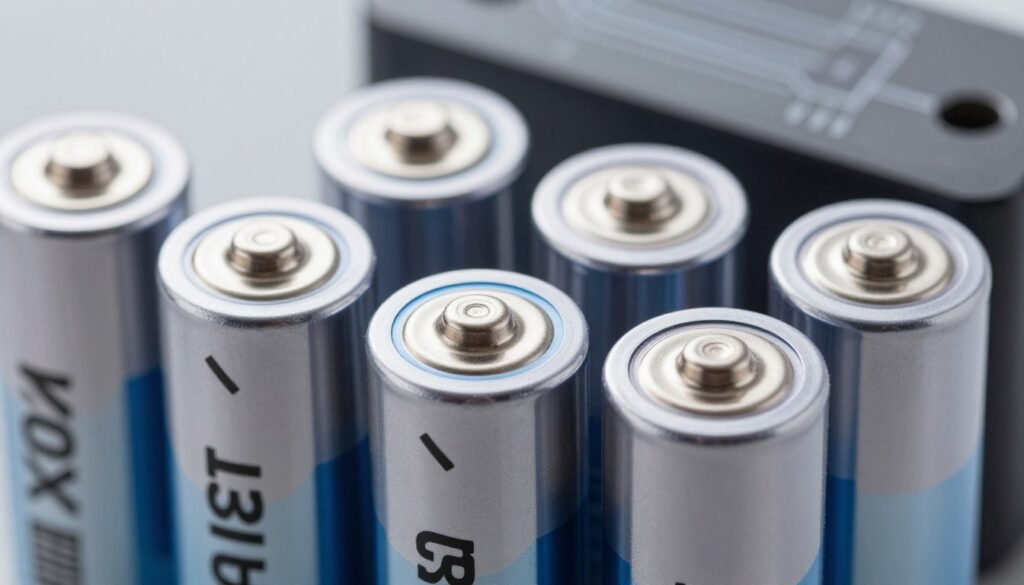
If you want rugged performance and easy sourcing, choose cylindrical cells. They come in standard sizes like 18650 and 21700, so replacement and scaling are straightforward.
Cylindrical cells offer strong metal casings and reliable thermal paths. Power tools, drills, and many Bosch and DeWalt packs favor this format for shock resistance and long life.
Prismatic cells for higher capacity packs and compact footprints
Prismatic cells work well when you need to maximize usable volume in a chassis. Their rectangular shape fits tightly into battery modules, reducing wasted space in laptops and energy storage systems.
Automotive packs from Tesla and LG Energy Solution often use prismatic designs where packing efficiency and higher amp-hour capacity per cell matter.
Pouch cells for maximum energy density and flexible design
Pouch cells deliver the best energy-per-weight ratio. Their soft aluminum-foil casing lets manufacturers shape packs for thin devices and performance motorcycles where every ounce counts.
Expect trade-offs with pouch cells: they require careful mechanical support and protective housings to control swelling and prevent damage during use.
| Characteristic | Cylindrical cells | Prismatic cells | Pouch cells |
|---|---|---|---|
| Typical use | Power tools, drones, medical devices | Laptops, EV modules, stationary packs | Smartphones, high-performance e-bikes, thin devices |
| Energy density | Moderate | High per volume | Highest per weight |
| Mechanical robustness | Excellent due to metal can | Good with rigid enclosure | Requires external support |
| Thermal performance | Good radial heat dissipation | Depends on pack design | Challenging; needs thermal management |
| Manufacturing standardization | Very high; standardized sizes | Moderate; custom module design common | Low; high design flexibility |
| Best when you need | Durability and serviceability | Space efficiency and higher capacity | Minimal weight and tight packaging |
Choose based on your priorities: if you need off-the-shelf durability, cylindrical cells are reliable. When packing efficiency and higher cell capacity matter, prismatic cells win. If minimal weight and maximum energy density are critical, pouch cells offer the best compromise when supported by proper mechanical design.
Performance metrics you need to know
When choosing batteries for home storage, EVs, or backup power, it’s important to know which metrics matter. These include runtime, size, and how long they last. Below are the key measures that impact how well batteries work in real life and how often they need to be replaced.
Energy density and power density: what they mean for runtime and size
Energy density shows how much power you get from a battery’s weight or volume. A higher energy density means batteries can be smaller and last longer in portable devices.
Power density, on the other hand, is about how fast a battery can give out power. If you need quick power for tools or cars, look for high power density.
Cycle life, depth of discharge, and expected lifespan under different use patterns
Cycle life tells you how many times a battery can be fully charged and discharged before it starts to lose power. LiFePO4 batteries can go through thousands of cycles, while many NMC batteries don’t last as long.
Depth of discharge (DoD) affects how long a battery lasts. Keeping the battery between 20% and 80% charged helps it last longer than charging it all the way up and down. Plan your use to keep the battery within these limits.
Charge rates, C-ratings, and fast-charging considerations
C-rate shows how fast a battery can charge or discharge compared to its capacity. A 1C rating means it can be fully charged or discharged in one hour. Batteries with higher C-rates can handle faster charging and heavier loads.
Fast charging is convenient but can wear out batteries if they’re not well-managed. Some battery types, like lithium titanate and certain NMC types, can handle high C-rates better than others.
For more information on commercial battery systems and energy storage projects, check out Aisen Solar Energy. They discuss important features like stable voltage, temperature control, and efficient charging cycles.
| Metric | What it affects | Practical tip |
|---|---|---|
| Energy density | Runtime and pack size | Choose high energy density for compact systems |
| Power density | Instant current delivery | Prioritize for tools and EV acceleration |
| Cycle life | Service lifespan | Favor chemistries like LFP for long cycles |
| Depth of discharge | Longevity vs usable capacity | Limit DoD to extend life (20–80% SOC) |
| C-rate | Charge/discharge speed | Match C-rate to application and cooling |
- For residential rooftop storage, balance energy density and cycle life to lower lifetime cost.
- For university sustainability projects, emphasize durable housing and strict quality control to maintain stable voltage output over many cycles.
- For large windfarm installations, prioritize thermal management and advanced management systems to support high C-rate events and long service life.
Advantages of lithium batteries for consumers and businesses
Modern cells outshine older lead-acid packs in many ways. They are smaller, lighter, and pack more energy. This makes them ideal for laptops, electric vehicles, and backup systems.
Lightweight design and higher usable capacity
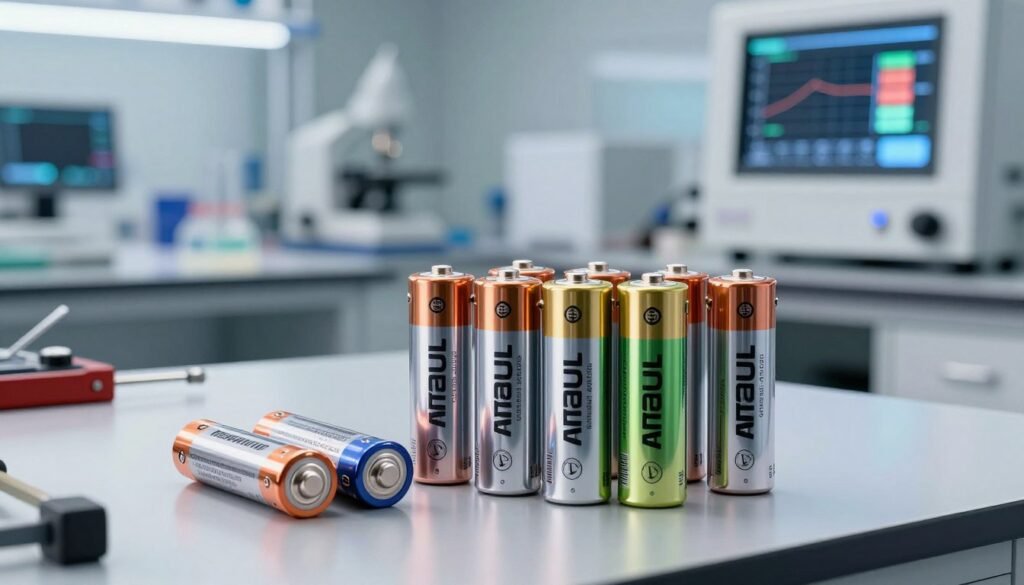
Switching to lightweight batteries makes your device or vehicle easier to carry. Lithium packs are 50–70% lighter than lead-acid for the same energy. They also let you use more of their capacity, up to 90–100% for LiFePO4, compared to lead-acid’s 50%.
Low self-discharge, no memory effect, and faster charging
Lithium cells hold their charge well, even when not in use. They don’t lose capacity like older batteries do. Plus, they charge up to 4 times faster than lead-acid, taking just 2–4 hours.
Total cost of ownership: why higher upfront cost often pays off
Lithium batteries cost more upfront, but they save money in the long run. They last longer, discharge deeper, and need little maintenance. This means fewer replacements and lower service costs over time.
| Metric | Typical Lead-Acid | Typical Lithium (LiFePO4 / NMC) | Consumer Impact |
|---|---|---|---|
| Weight per kWh | High | 50–70% lower | Easier transport, lighter vehicles |
| Usable Depth of Discharge | ~50% | 90–100% | More runtime per cycle |
| Cycle Life | 300–500 cycles | 2,000–6,000+ cycles | Fewer replacements, lower long-term cost |
| Self-Discharge | Moderate | Low | Better shelf life, ready-to-use after storage |
| Charge Time | 8–12 hours | 2–4 hours | Less downtime, faster turnaround |
| Total Cost of Ownership | Higher over lifetime | Lower over lifetime | Better investment for frequent use |
When choosing batteries, think about how you’ll use them. Lithium’s benefits in weight, runtime, and maintenance are clear. For businesses, calculating the total cost of lithium batteries shows they’re a smart long-term choice, even with a higher initial cost.
Disadvantages and safety considerations
Choosing lithium batteries comes with risks. This section covers hazards, practical limits, and end-of-life issues. It helps you use batteries safely and dispose of them responsibly.
Thermal runaway risks and chemistry stability
Some batteries, like lithium cobalt oxide (LCO), can overheat and catch fire if damaged or overcharged. LiFePO4 is safer because it’s more stable and less likely to fail violently.
Battery management systems from companies like Tesla and Panasonic help protect against overheating. Always follow the manufacturer’s charging limits and use certified chargers to avoid risks.
Temperature sensitivity and storage limits
Batteries perform poorly in cold temperatures. Charging in extreme cold can cause permanent damage. Avoid charging in temperatures below 0°C.
Don’t charge batteries above 60°C or below -20°C. Heat and deep discharges can shorten their life and increase safety risks. Store batteries at a moderate charge, around 40% to 50%, for long-term storage.
Recycling challenges and supply chain impacts
Recycling rates for lithium-ion batteries are low in many areas. Only a small percentage are recovered today. Expect changes as electric vehicles and grid storage systems grow.
Mining and refining for lithium and cobalt harm the environment and people. Moving to lower-cobalt chemistries and improving recycling can help. More investment in recycling will ease material shortages.
Practical checklist for safer ownership
- Use chargers and BMS specified by the manufacturer.
- Avoid physical damage, punctures, and prolonged exposure to heat.
- Store packs at moderate state of charge in cool, dry places.
- Follow transport and disposal rules for battery recycling and hazardous materials.
| Issue | What it means for you | Practical action |
|---|---|---|
| Thermal runaway | Rapid, uncontrolled heating that can cause fire or explosion | Use thermally stable chemistries, proper BMS, and certified chargers |
| Cold performance | Reduced capacity and higher internal resistance below 0°C | Avoid charging in cold, pre-warm packs per manufacturer guidance |
| High temperature storage | Accelerated aging and higher failure risk above 60°C | Store in cool areas, limit exposure to direct sun and hot vehicles |
| End-of-life handling | Low recycling rates and material loss without proper processing | Use certified battery recycling channels and participate in take-back programs |
| Supply chain lithium | Material shortages, price volatility, and environmental impacts | Choose low-cobalt chemistries when suitable and support recycled content |
Common applications: where lithium batteries power your life
Lithium cells are in devices you use daily. They need to be compact and last long. This section shows how they are used in real life.
It covers consumer electronics, transport, renewable storage, and specialty gear.
Consumer electronics and portable devices
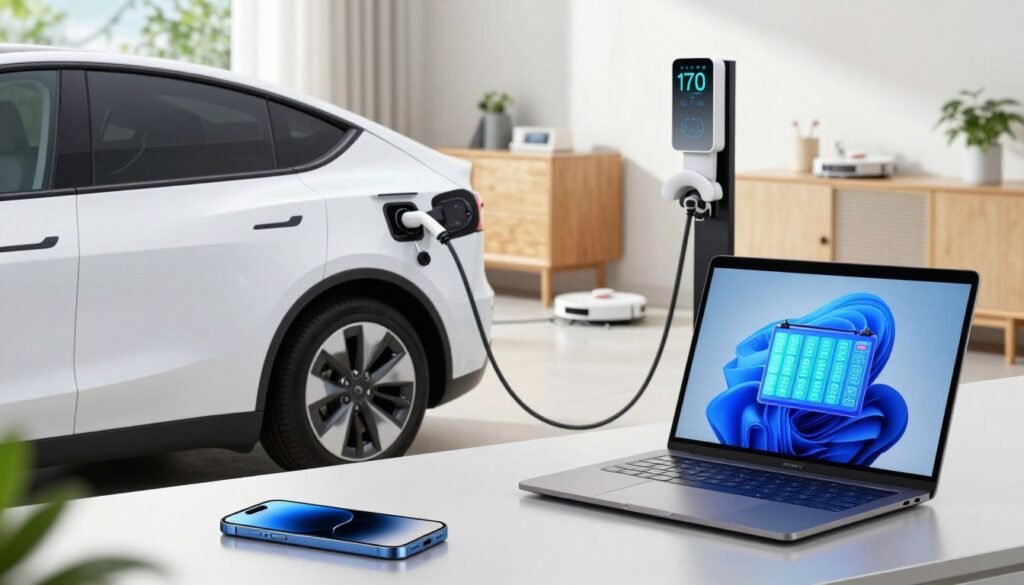
Smartphones, laptops, cameras, and wearables use lithium. They have slim designs, charge quickly, and last long. This is thanks to modern cells.
Battery life is key for travel and remote work. Makers like Apple and Samsung aim for balance. They want devices to be light yet safe.
Electric vehicles and e-mobility
Car makers use NMC, NCA, and LFP in EVs. A BMS manages the cells, balancing and controlling heat. This ensures consistent performance and range.
When buying lithium for EVs, look at the chemistry, capacity, and second-life options. Tesla, Ford, and Volkswagen share data on energy density and cycle life.
Renewable energy and home backup
Solar users often add LiFePO4 for home energy storage. It stores energy from the day and provides backup at night. Lithium outperforms lead-acid in deep discharge cycles.
Systems range from small units around 500Wh to big ones of 5kWh–20kWh. Brands like Tesla Powerwall and Generac focus on integration and long warranties.
RV, marine, and mobile power
LiFePO4 is great for RVs and marine use. It’s lighter and lasts longer. This means you can run appliances longer and recharge from solar or shore power easily.
Portable power stations offer off-grid flexibility. They range from 200Wh–2000Wh, perfect for camping or on-deck needs.
Medical, industrial, and specialty applications
Hospitals and factories need safe and powerful batteries. LMO and custom lithium blends provide high-rate bursts for tools and medical pumps.
Drones need batteries with high discharge and quality control. The right battery balances weight, safety, and discharge for reliable flight times.
| Application | Common Chemistries | Typical Sizes | Primary Benefits |
|---|---|---|---|
| Smartphones & laptops | LCO, NMC | 20–100 Wh | High energy density, thin builds, fast charging |
| Electric vehicles | NMC, NCA, LFP | 30–100+ kWh | Long range, managed safety, second-life options |
| Home energy storage | LiFePO4, NMC | 5–20 kWh | Deep discharge, long cycle life, solar integration |
| RV & marine | LiFePO4 | 500 Wh–20 kWh | Weight savings, safety, long lifespan |
| Power tools & industrial | LMO, NMC blends | 20–200 Wh (pack) | High power bursts, thermal stability |
| Drones & specialty equipment | High-rate NMC/LMO mixes | 100–1,000 Wh | Lightweight, high discharge, reliable performance |
Lithium battery maintenance, safety best practices, and regulations
Lithium cells power many devices, vehicles, and backup systems. To keep them safe and working well, follow simple steps. These steps are key to battery safety and are used by experts across the U.S.
Charging tips for longer life
Always use the charger recommended by the battery’s maker. Chargers from Samsung SDI, Panasonic, or Tesla are safe and match your battery’s needs. Avoid cheap chargers that can overheat your cells.
Charge your battery between 20% and 80% for daily use. For storage, keep it around 50% in a cool, dry spot. Stop charging when it’s full and unplug right away. Modern batteries have a management system, but don’t rely only on it.
Charge in temperatures between 41°F and 113°F (5°C and 45°C). Don’t charge or use damaged batteries.
Regular inspection and safe handling
Check batteries often for swelling, color changes, or smells. If a cell looks bad, stop using it and follow the maker’s advice for safe disposal.
Be careful with batteries. Don’t crush, puncture, or heat them too much. Use insulated tools and follow safety rules when working on batteries. Make sure workers are trained and wear the right gear.
Storage recommendations
Keep batteries in a cool, dry place away from flammable things. For big collections, use special enclosures and watch for dangerous gases. Keep different types of batteries apart to avoid problems.
Follow NFPA rules for storing energy and have a plan for emergencies. Train staff on how to handle emergencies, like toxic gas leaks.
Transport and disposal rules you must follow in the United States
When shipping batteries, follow DOT and PHMSA rules. Airlines and carriers have their own rules for shipping batteries. Learn these rules to avoid trouble.
Don’t throw loose lithium cells in the trash. Use recycling centers or programs from the battery makers. Recycling helps save materials and protects the environment.
For more on handling lithium-ion batteries safely, see this OSHA guide: battery safety guidance.
- Keep chargers and cords in good condition and away from water.
- Limit stored charge when transporting to reduce risk.
- Label damaged or suspect batteries and isolate them until proper disposal.
Conclusion
This lithium battery summary helps you understand the key points when buying lithium battery packs. These batteries offer high energy density, are light, and charge quickly. But, it’s important to pick the right chemistry and size for your needs and budget.
When choosing a battery chemistry, think about how long it lasts, its energy density, and how it handles heat. Also, consider the initial cost. To keep your battery safe and long-lasting, follow charging and storage rules. Make sure to check it regularly.
For safe transport and disposal in the U.S., follow DOT and EPA rules. Use certified recycling services to help the environment.
New technologies like solid-state and lithium-sulfur batteries are coming. They promise even better performance and are more eco-friendly. When you buy a lithium battery, look for reliable brands and the right size. Also, make sure you have a good warranty for long-term satisfaction.