Choosing solar energy is a smart choice for many Americans today. It makes the local electric grid more reliable for everyone. This change also helps keep the power steady during busy times.
Homeowners often see a big increase in their property’s value after installing solar panels. These systems help families save money on their monthly bills and protect the environment. Most people notice the financial benefits right away.
Businesses also gain a lot by using renewable energy. It helps lower their costs over time. Companies that switch often see better brand loyalty from customers who care about the environment.
Switching to clean energy makes property owners’ finances brighter. Many enjoy the peace of mind from having their own power. These systems work well for decades with little upkeep needed.
Key Takeaways
- Boosts residential and commercial property values significantly.
- Reduces monthly utility expenses for immediate financial relief.
- Improves the reliability and stability of the local electrical grid.
- Protects against future hikes in standard electricity rates.
- Supports environmental sustainability goals for homeowners and businesses.
- Provides long-term savings through durable, low-maintenance technology.
Why Solar Energy Is Transforming American Properties
The move to solar energy is changing how American properties make and use power. This change comes from more people using solar technology, better solar panels, and key parts of solar systems for homes and businesses.
The Growing Adoption of Solar Technology Nationwide
Solar technology use has grown a lot in recent years. Almost 4 million American homes now make their own power with solar energy. This is a big step towards using renewable energy.
More people know the good things about solar energy, like saving money and being better for the environment. So, solar technology is becoming a big part of America’s energy mix.
How Modern Solar Panels Generate Clean Electricity
Modern solar panels turn sunlight into electricity using PV cells. These cells are made from special materials that release electrons when sunlight hits them, creating electricity.
Solar panels are getting better at making electricity. This makes them a good choice for homes and businesses. Here’s how their efficiency has improved over the last 10 years.
| Year | Average Solar Panel Efficiency |
|---|---|
| 2010 | 12-15% |
| 2015 | 15-18% |
| 2020 | 18-22% |
Essential Components of Residential and Commercial Solar Systems
A solar system has important parts like solar panels, inverters, mounting systems, and monitoring systems. Solar panels make electricity, and inverters change DC power to AC power for homes and businesses.
Knowing about these parts is key for saving energy and making the solar system last longer. The right parts can make the system work better and save money.
Substantial Financial Savings and Strong Return on Investment
Solar energy is a great way to save money and get a good return on investment. It helps you use less traditional energy, which lowers your electricity bills. Plus, it protects you from future price hikes.
Dramatic Reductions in Monthly Electricity Costs
One big plus of solar energy is how it cuts down your monthly electricity costs. By making your own clean energy, you use less from the grid. This can save you $400 to $1,000 a year, depending on how much energy you use and how big your solar system is.
To see how solar can help your business, check out Amor Energy’s insights on solar panels. They have great info on how solar can be a smart choice for businesses.
Long-Term Savings Over 25 to 30 Years
Solar energy systems can last 25 to 30 years or more. This means you can save a lot of money over time. In fact, you could save tens of thousands of dollars, making it a smart choice for both homes and businesses.
Understanding Your Solar Investment Payback Period
The payback period is key to knowing if a solar investment is worth it. It’s the time it takes for your savings to equal the cost of the system. Payback periods for solar systems usually range from 5 to 10 years, based on the system’s size, local incentives, and how much energy you use.
For more details on solar energy and how it can save you money, visit Aisen Solar Energy. They have lots of resources on solar systems.
Locking in Energy Rates Against Future Utility Increases
Another big plus of solar energy is that it lets you lock in your energy rates. By making your own electricity, you’re protected from future rate hikes. This is really helpful for businesses that want to keep their costs stable.
Environmental Impact and Sustainability Benefits
The world is moving towards renewable energy, and solar energy is leading the way. It’s a clean and sustainable power source. It helps us use less fossil fuels and fight climate change.
Significantly Reducing Carbon Emissions and Environmental Footprint
Solar energy makes electricity without polluting the air. It’s a better choice than using fossil fuels. Using solar energy cuts down on carbon emissions and reduces our impact on the environment.
The table below shows how solar energy can cut down carbon emissions.
| Year | Carbon Emissions Reduction | Cumulative Reduction |
|---|---|---|
| 2025 | 10 million metric tons | 10 million metric tons |
| 2030 | 20 million metric tons | 30 million metric tons |
| 2035 | 30 million metric tons | 60 million metric tons |
Decreasing National Dependence on Fossil Fuels
Using solar energy helps us use less fossil fuels. It makes our energy supply more secure. Solar energy is made locally, so we don’t need to import fuels as much.
Contributing to Cleaner Air Quality and Water Conservation
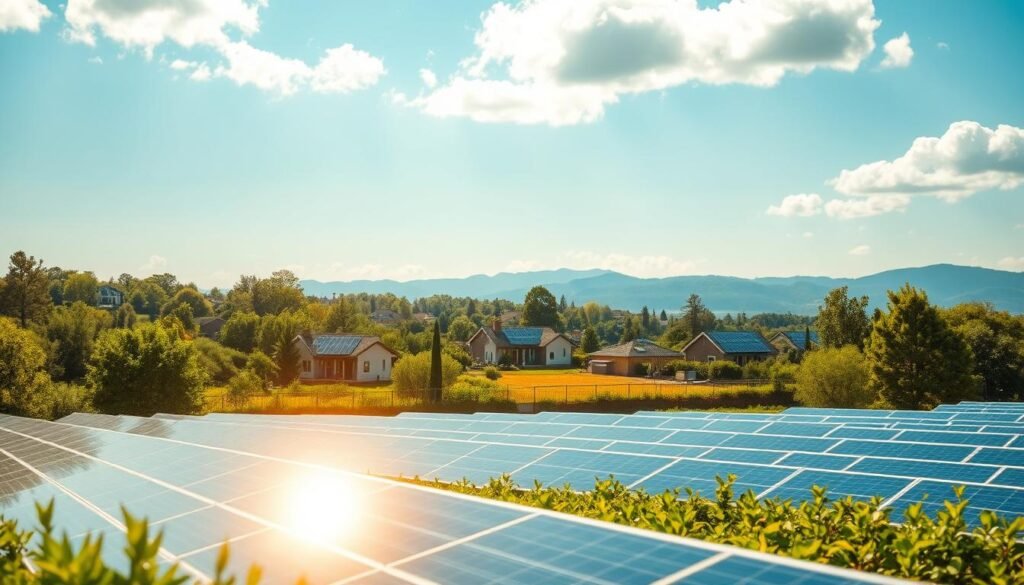
Solar energy doesn’t need water or pollute the air. It’s better for the environment than old power plants. Switching to solar energy means cleaner air and saved water.
Solar energy has big benefits for our planet. Using it can help make our future more sustainable.
Key Solar Energy Benefits for Residential Homeowners
Solar energy brings many benefits to homeowners, like big savings on energy bills and higher home value. More and more homeowners in the U.S. are choosing solar technology. They see the clear advantages of using solar energy at home.
Cutting Household Energy Expenses by 50 to 90 Percent
One big reason to go solar is the big cut in energy costs. Homeowners can use less traditional energy and pay less each month. This makes solar power a smart choice.
- Reduce energy costs by 50% to 90%
- Protect against future utility rate increases
- Enjoy significant savings over the lifespan of the solar panel system
Earning Credits Through Net Metering Programs
Many utility companies have net metering programs. These let homeowners get credits for extra energy made by their solar panels. These credits can lower energy bills even more.
But, net metering rules differ by state and utility. Homeowners should check what’s available in their area.
Boosting Home Value and Market Desirability
Adding solar panels can really up a home’s value and appeal. A study by the Berkeley National Laboratory found that solar panels are seen as upgrades. They make a home more valuable.
Achieving Energy Self-Sufficiency for Your Family
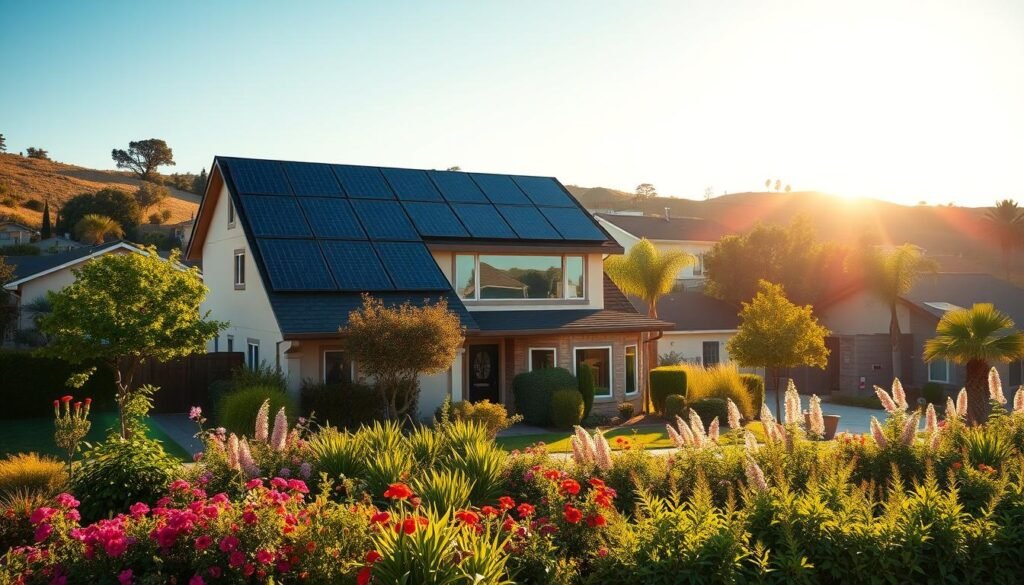
Solar energy lets homeowners be more independent from the grid. It makes their energy use more secure. With battery systems, they can keep power on even when the grid goes down.
By choosing solar energy, homeowners can control their energy use. They help create a greener future for their families.
Critical Solar Energy Advantages for Commercial Properties
Solar energy is a great way for commercial properties to cut down on costs. It helps businesses save money and become more sustainable. By using solar power, they can use less traditional energy, saving a lot of money.
Slashing Operating Costs and Improving Bottom Line Performance
One big plus of solar energy for businesses is the big drop in operating costs. They can make their own electricity, lowering their energy bills. This is a big help, mainly for companies that use a lot of energy.
The table below shows how much money solar energy can save for different types of businesses:
| Property Type | Average Annual Energy Savings | Payback Period |
|---|---|---|
| Office Buildings | $10,000 – $50,000 | 5-7 years |
| Retail Stores | $5,000 – $20,000 | 4-6 years |
| Industrial Facilities | $20,000 – $100,000 | 6-8 years |
Strengthening Corporate Sustainability and Brand Reputation
Using solar energy boosts a company’s green image and reputation. It shows they care about the environment. This can make customers and investors trust them more.
Maximizing Tax Benefits Through ITC and MACRS Depreciation
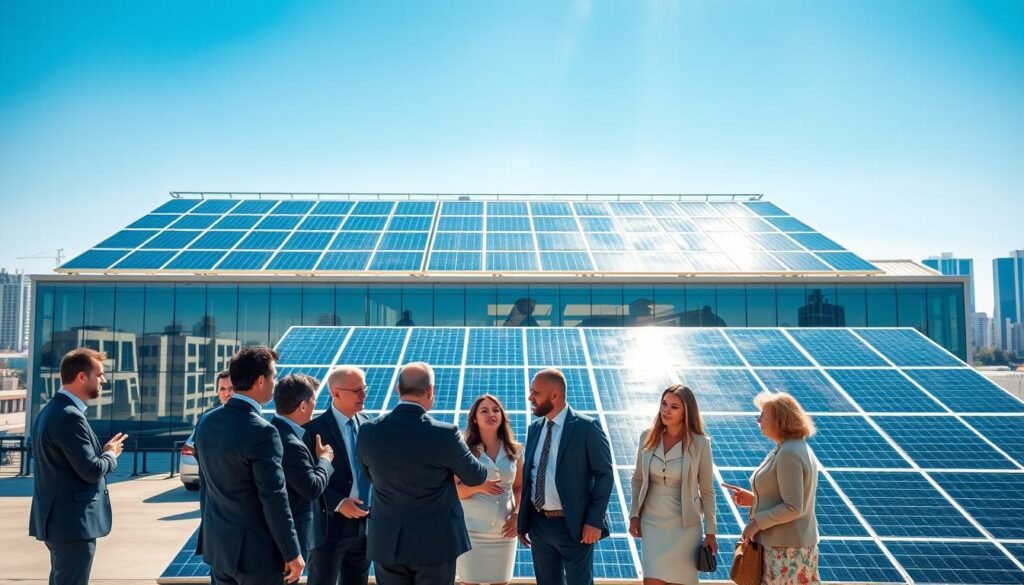
Businesses can also get big tax breaks for using solar energy. The Investment Tax Credit (ITC) gives up to 30% of the cost back. The Modified Accelerated Cost Recovery System (MACRS) lets them write off the solar equipment fast, saving even more on taxes.
Stabilizing Energy Budgets with Predictable Solar Production
Solar energy is a steady energy source for businesses. It helps them keep their energy costs stable. This makes it easier to plan their finances and avoid surprises with energy prices.
Increased Property Values and Competitive Market Positioning
Adding solar panels can really boost your property’s value. This is because people see solar panels as a big plus, like a new kitchen or a finished basement. A study by Berkeley National Laboratory backs this up.
Properties with solar panels are not just more valuable. They also stand out more in the market. Solar energy brings both environmental and economic benefits. These benefits help your property’s market position.
Documented Property Value Increases from Solar Installations
Many studies show solar panels can really up your property’s value. Homes and buildings with solar panels are worth more than those without.
- A study by the National Renewable Energy Laboratory found that solar installations can increase property values by $15 to $20 per watt.
- For an average residential solar system of 5 kilowatts, this means a $75,000 to $100,000 boost in value.
- Commercial properties also see benefits, with solar installations making them more appealing to tenants and buyers.
Shorter Time on Market for Solar-Equipped Buildings
Properties with solar energy systems sell faster. The appeal of lower energy costs and environmental benefits makes them more attractive.
Some key factors include:
- The perceived value of solar panels as a desirable feature.
- The savings on energy bills.
- The appeal to environmentally conscious buyers.
Attracting Premium Buyers and Quality Commercial Tenants
Solar-equipped properties draw in specific buyers and tenants. They value sustainability and energy efficiency.
For homes, this means attracting buyers who are willing to pay more for solar homes. For commercial properties, it means finding high-quality tenants who appreciate the cost savings and corporate sustainability.
Energy Independence and Enhanced Power Reliability
Homeowners and businesses can now achieve energy independence thanks to solar technology. Solar energy systems, paired with battery storage, provide a steady power supply. This reduces the need for grid power.
Residential solar energy systems with battery storage offer power anytime, weather permitting. This is key for keeping energy independence and power reliability.
Minimizing Vulnerability to Grid Failures and Blackouts
Solar energy systems help reduce vulnerability to grid failures and blackouts. They generate their own electricity, keeping properties running even when the grid is down.
This is very important for businesses needing constant power. With solar and battery storage, companies can keep their essential systems running, even during long power outages.
Integrating Battery Storage for 24/7 Power Availability
Adding battery storage to solar energy systems means power is always available. Energy made during the day is stored for use at night or when sunlight is low.
This setup ensures a steady power supply. It boosts energy independence and reliability. It also lets users control their energy use and costs better.
Maintaining Critical Operations During Emergency Situations
In emergencies like natural disasters or grid failures, solar systems with battery storage keep operations running. This is critical for businesses that offer essential services or have vital infrastructure.
By choosing solar energy and battery storage, properties can keep operations going, even in tough times. This boosts their resilience and reliability.
Maximizing Federal Tax Credits and State Incentive Programs
To get the most out of solar energy, it’s key to know about tax credits and incentives. The U.S. government and many states have programs to help. These programs lower the cost upfront and offer long-term savings.
Leveraging the 30 Percent Federal Solar Investment Tax Credit
The federal government has a big incentive: the Solar Investment Tax Credit (ITC). It lets taxpayers get a 30% tax credit on solar system costs. This applies to both homes and businesses, making solar cheaper at the start.
For example, spending $20,000 on solar panels can lead to a $6,000 tax credit. This cuts down what you owe in taxes. It also makes solar energy more accessible.
Accessing State-Specific Rebates and Performance Incentives
States also offer rebates and incentives for solar energy. These vary by state and can include rebates per watt or performance-based payments. They encourage more people to use solar energy.
Some states give $0.50 per watt rebates. For a 5 kilowatt system, that’s a $2,500 rebate. Performance-based incentives pay $0.05 per kWh of electricity made.
Generating Additional Income from Solar Renewable Energy Certificates
Solar Renewable Energy Certificates (SRECs) are another way to earn money from solar. They represent one megawatt-hour of solar electricity. SRECs can be sold to meet renewable energy standards.
Selling SRECs can give solar system owners extra income. This helps pay off the system’s cost over time.
Exploring Zero-Down Financing and Power Purchase Agreements
For those without upfront money, zero-down financing and PPAs are options. Zero-down financing lets you start solar with little to no initial cost.
PPAs mean you can host solar panels without paying upfront. The provider owns and maintains the system. You buy the electricity at a set rate, often cheaper than the grid.
Conclusion
Using solar energy brings many benefits to homes and businesses. It saves money and helps the environment. By using renewable energy, we can use less fossil fuels, cut down on energy costs, and make our planet cleaner.
Solar energy is a smart choice for many reasons. It makes us less dependent on others for energy, cuts down on harmful emissions, and supports green living. Plus, it can save money in the long run and even increase your property’s value.
As we move towards cleaner energy, now is the perfect time to look into solar energy for your place. By doing so, you’ll be part of a growing group dedicated to renewable energy and living sustainably.