A solar inverter is a critical component in any solar power system. Its primary function is to convert the direct current (DC) electricity generated by solar panels into alternating current (AC) electricity, which is used to power most household and commercial appliances. Without an inverter, the energy produced by solar panels would be unusable.
There are different types of solar inverters, each suited to specific needs. The most common types include string inverters, microinverters, and hybrid inverters.
String Inverters are the traditional choice, where multiple solar panels are connected in series to a single inverter. These inverters are cost-effective and ideal for large-scale installations but may not be as efficient in situations where panels are shaded or installed at different angles.
Microinverters, on the other hand, are installed on each individual panel. This allows each panel to operate independently, maximizing energy production and efficiency, particularly in systems with shading or irregular panel orientations.
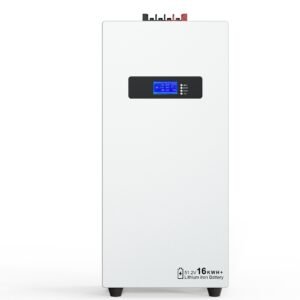
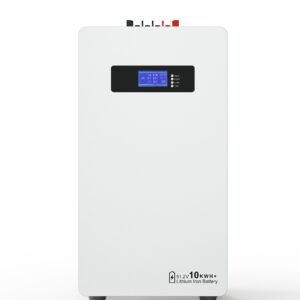
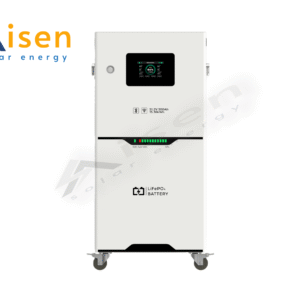
Hybrid Inverters combine the functionality of a solar inverter with an energy storage system, allowing solar energy to be stored in batteries for later use. This setup is ideal for off-grid systems or those looking to increase energy independence.
Choosing the right solar inverter depends on factors such as system size, energy needs, available space, and budget. A reliable inverter ensures the efficiency and longevity of a solar power system, maximizing energy savings and minimizing maintenance costs. Proper installation and maintenance are key to ensuring optimal performance over time, providing consistent, eco-friendly energy for years.